

With the advent of AI technology, medical scribes are experiencing a significant transformation in the way patient information is documented. By leveraging artificial intelligence, these digital aides can efficiently transcribe patient consultations, reducing clerical burdens and enhancing the accuracy of medical records. As a result, healthcare professionals can allocate more time to patient care, improving overall efficiency and patient satisfaction.
In this article, we will explore how AI medical scribes are changing the landscape of clinical documentation. From revolutionizing record-keeping to streamlining patient encounters, these technological advancements promise a more streamlined, accurate, and less demanding documentation process for clinicians. Below, we delve into the various facets of medical documentation that are being reshaped by this innovative technology.
How AI Medical Scribe Technology is Revolutionizing Clinical Documentation
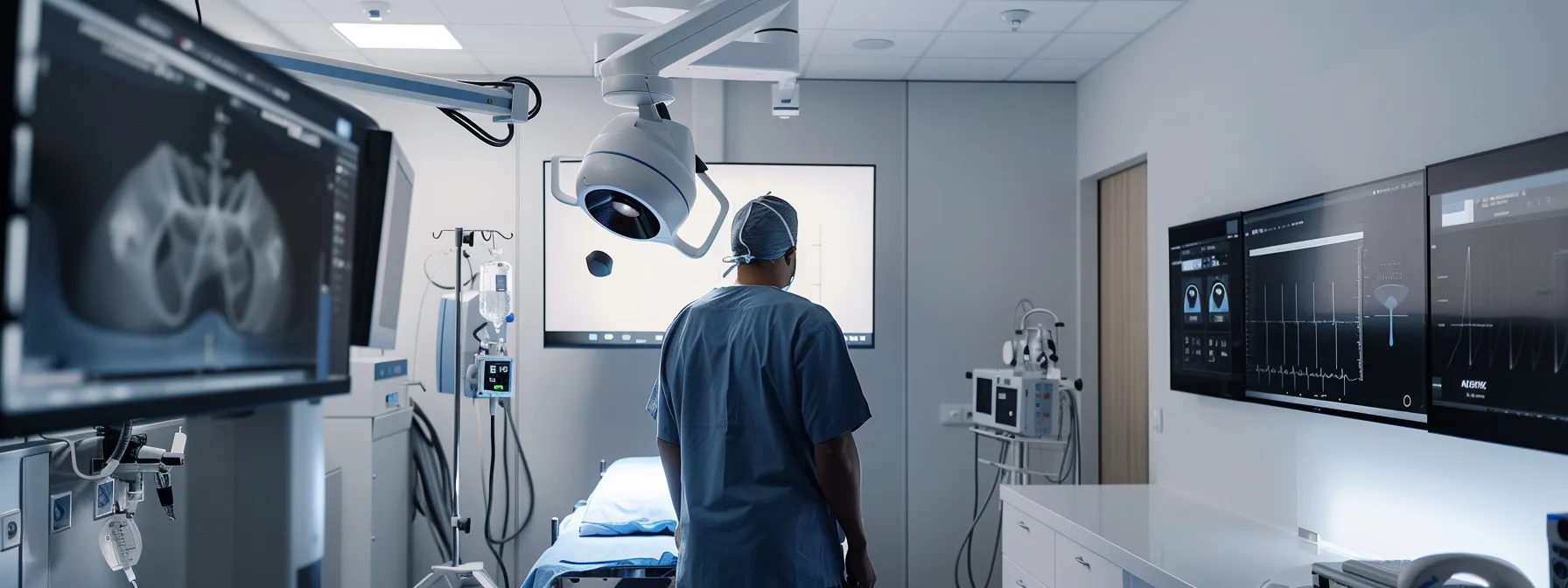
AI medical scribe technology is making waves by transforming the tedious task of clinical documentation into a seamless process. By utilizing advanced algorithms, these scribes can comprehend and document complex medical jargon with high precision, ensuring that patient records are thoroughly and accurately maintained.
Studies show that the implementation of an AI scribe can lead to a significant reduction in the time physicians spend on documentation, which can be as much as 15-20% of their workday. AI scribes can parse through patient interactions, picking up on crucial details that might otherwise be missed or incorrectly recorded when done manually.
For healthcare practices considering this technology, it’s important to start with a pilot program to gauge effectiveness. AI Medical Scribe Careful selection of departments where the AI’s capabilities can be most beneficial is key, followed by evaluating compatibility with the current electronic health record (EHR) systems.
Streamlining Patient Encounters with AI-Powered Documentation Tools
The use of AI-powered documentation tools streamlines patient encounters, enabling a more interactive and personal consultation without the distraction of note-taking. By capturing the dialogue between healthcare providers and patients, these tools help to create a more accurate and complete record of the visit.
For instance, AI medical scribes can sync with various electronic health record systems, automatically inputting data where it’s needed. This minimizes the chances of data fragmentation and errors, which are common in manual transfers. Physicians using these tools often report feeling more present with their patients, as they’re not fixated on documentation.
Clinicians interested in adopting AI documentation should look for systems that are easily integrable with existing workflows. Providers should seek options that offer real-time documentation, AI accuracy checks, and user-friendly interfaces to ensure adoption with minimal disruption.
Enhancing Accuracy and Reducing Burnout with AI Scribes in Healthcare
AI scribes are not only enhancing documentation accuracy but also playing a critical role in combating clinician burnout. With documentation demands cited as a significant contributor to burnout, the relief provided by AI scribes is more than welcome in the healthcare sector.
When used effectively, AI scribe technology can diminish the documentation overload, a pervasive issue that can lead to burnout among healthcare practitioners. Surveys indicate that clinicians who use AI for documentation report a greater work-life balance and job satisfaction, attributing this change to the reduced clerical workload.
To maximize the benefits of AI scribes, healthcare facilities should invest in training programs that familiarize staff with the technology. It’s also advisable to gather feedback regularly from the users to make any necessary adjustments that improve the user experience and the technology’s impact on reducing burnout.
AI Medical Scribes and Compliance: Navigating Legal and Ethical Considerations

While AI medical scribe technology introduces numerous benefits, it is vital to navigate the legal and ethical considerations linked to patient confidentiality and data security. Ensuring compliance with healthcare regulations such as HIPAA in the United States is paramount.
Providers must ascertain that their AI medical scribe solution includes robust security features to protect sensitive patient information. The vendor should be transparent about their compliance certifications and data handling procedures. Thorough employee training on the scope of AI use and the importance of maintaining security protocols is equally critical.
For those implementing AI scribe technology, choosing a partner that complies with all relevant privacy laws and adheres to best practices is essential. Engaging with legal counsel during the procurement process can help cover all bases, ensuring that the adoption of AI scribes aligns with all legal and ethical standards.
In conclusion, AI medical scribes are revolutionizing medical documentation by enhancing accuracy, efficiency, and compliance, while also addressing the critical issue of clinician burnout. As healthcare practices navigate the integration of this cutting-edge technology, they must consider the legal and ethical aspects to fully harness the benefits without compromising patient trust or data integrity.